Total Phosphorus Removal (and Recovery)
by Rami Elias Kremesti M.Sc., CSci, CEnv, CWEM
Kremesti Environmental Consulting Ltd
Transmutare Substantiarum Basium In Aurum TM
Introduction
Without Phosphorus, life would be impossible… It is literally part of our DNA, our bones, our teeth and Adenosine Tri-Phosphate, the molecule that is the energy currency of our bodies….
Phosphorus is currently being consumed in a non-circular, unsustainable economic fashion as an essential fertilizer, and world reserves of phosphate rock are projected to be exhausted in 50-150 years. The European Union (EU) designated phosphate rock and phosphorus as critical raw materials in 2024. More than a third of the imported phosphate in the EU ends up in sewage sludge and is not directly reusable because of contaminants and the low plant bio-availability of phosphate which is bound strongly to metal coagulants used to remove phosphate from treated sewage effluent. The sludge is applied to fields in the UK but the phosphorus is not entirely fixed by plants and ends up leaching into the environment together with other pollutants such as pesticides.
Many EU countries (Germany, Austria, Switzerland, Denmark, France, Sweden) set ambitious national goals to recover phosphorus from sewage sludge. The water authorities there recognize their social and environmental responsibility and play an active role in implementing phosphorus recovery technology to transform sewage sludge into a circular resource of nutrients and energy. This also applies for some players in the USA, Japan, and Australia. The UK’s Defra is still “consulting” on this critical matter. A few utilities like Severn Trent’s Stoke Bardolph WWTW’s recover phosphorus. United Utilities is retrofitting P recovery tech in Davyhulme as part of the AMP8 program.
Total phosphorus can be removed from water/waste water through chemical precipitation using metal salts, biological methods where PAO microorganisms store phosphorus, or physical filtration using technologies like sand, cloth, adsorption media, ceramic or disc filters. These methods can be used independently or together to lower phosphorus levels, especially to prevent eutrophication in receiving water bodies. Increased emphasis is placed on Phosphorus recovery as it is a precious agricultural fertilizer essential for life.
“Without Phosphorus, life would be impossible… It is literally part of our DNA, our bones, our teeth, our vital energy.”
Rami Elias Kremesti – Excerpt from correspondence with ESPP.
Etymology and History
The word “phosphorus” comes from the Greek words phos (“light”) and phoros (“bearer”), meaning “light-bearer” just like Christophoros or Christopher means Christ-Bearer (the legend goes that Saint Christopher bore the baby Christ and helped him cross a river). This name was originally used for the Morning Star (planet Venus) due to its bright appearance and was later applied to the chemical element by the 17th-century alchemist Hennig Brand, who discovered it and was struck by its natural glow in the dark. Around 1669 he heated residues from boiled-down urine on his furnace until the retort was red hot, where all of a sudden glowing fumes filled it and liquid dripped out, bursting into flames. He could catch the liquid in a jar and cover it, where it solidified and continued to give off a pale-green glow. What he collected was pure elemental white phosphorus !
How To Make White Phosphorus from Urine
Hennig Brand (c. 1630 – c. 1692 or c. 1710) lived and worked in Hamburg. In 1669, Brand accidentally discovered the chemical element phosphorus while searching for the “philosopher’s stone”, a substance which was believed to transmute base metals into gold.
He heated residues from boiled-down urine on his furnace until the retort was red hot, where all of a sudden glowing fumes filled it and liquid dripped out, bursting into flames. He could catch the liquid in a jar and cover it, where it solidified and continued to give off a pale-green glow. What he collected was white phosphorus, which he named from the Greek word for “light-bearing” or “light-bearer.”

Hennig Brand Discovering White Phosphorus
His recipe was:
Let urine stand for days until it gives off a pungent smell. (This step was not necessary, as later scientists discovered that fresh urine yielded the same amount of phosphorus – the breakdown of urea to ammonia makes no difference to phosphorus recovery).
Boil urine to reduce it to a thick syrup.
Heat until a red oil distils up from it, and draw that off.
Allow the remainder to cool, where it consists of a black spongy upper part and a salty lower part.
Discard the salt, mix the red oil back into the black material.
Heat that mixture strongly for 16 hours.
First white fumes come off, then an oil, then phosphorus.
The phosphorus may be passed into cold water to solidify.
The chemical reaction Brand stumbled on was the following: Urine contains phosphates (PO4)3−, as sodium phosphate (i.e. with Na+) in the form of salt, and various carbon-based organics. Under strong heat the oxygen atoms from the phosphate react with carbon to produce carbon monoxide CO, leaving elemental phosphorus P, which comes off as a gas. Phosphorus condenses to a liquid below about 280°C and then solidifies (to the white phosphorus allotrope) below about 44°C (depending on purity). This same essential reaction is still used today (but with mined phosphate ores, coke for carbon, and electric furnaces) and is known as the the Wöhler process: it involves heating phosphate rock (apatite) with coke (carbon) and silica (sand) in an electric arc furnace at high temperatures (around 1150-1400°C) to reduce the phosphate into elemental phosphorus gas, which is then collected, while creating calcium silicate slag and carbon monoxide as by-products.
Brand’s process yielded far less phosphorus than it could have. The salt part he discarded contained most of the phosphate. He used about 1,500 US gallons (5,700 L) of urine to produce just 120 grams of phosphorus. If he had ground up the entire residue he could have obtained many times more than this (1 litre of adult human urine contains about 1.4g of phosphorus salts, which amounts to around 0.11 grams of pure white phosphorus).
5 m3 of human urine can yield 7 kgs of white phosphorus ! At an average cost of 100$ per Kg that is 500$ worth of P !!! There is about 50 Kgs worth of ammonia in there too… Think about the money we flush down the toilet…. Post on LinkedIn made on 27/12/2025
Though Brand initially kept his process for producing phosphorus from urine a secret, he later sold the recipe for 200 thalers to a Johann Daniel Kraft (de) from Dresden – as he failed to convert cheap metals into gold. Subsequently, both Swedish chemist Johann Kunckel (in 1678) and Irish chemist Robert Boyle (in 1680) were able to isolate phosphorus. The latter’s assistant, Ambrose Godfrey-Hanckwitz, while working for Robert Boyle, made a business of manufacturing phosphorus from 1707 onwards. He would be producing up to 50 pounds of phosphorus per year from human/animal urine and faeces in his backyard in Covent Garden London !!! Most of it was sold to make phosphorus pills which are very toxic, but they thought at the time that they make you smart and that they cured some diseases !
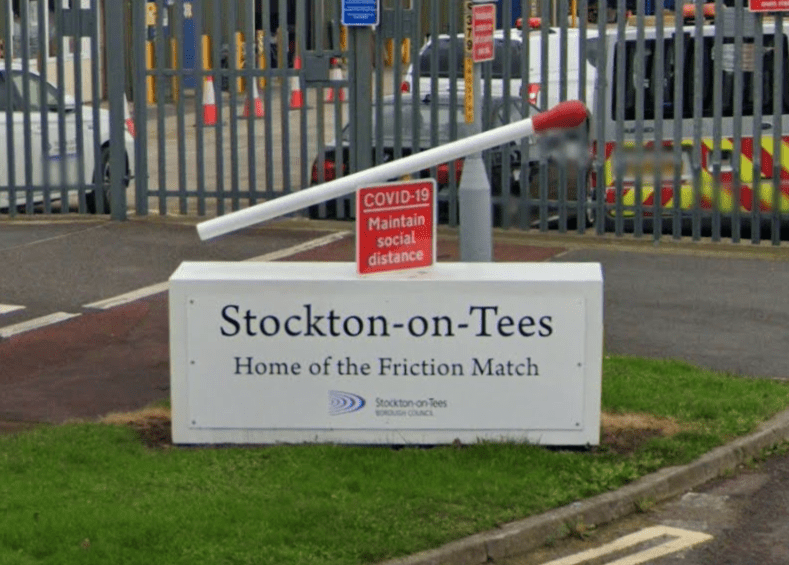
Robert Boyle demonstrated the first friction match by coating paper with phosphorus and a wood splinter with sulphur ! Later the safety match was developed by John Walker from Stockton on Tees. They were called Lucifers !
Safety
Making white phosphorus from urine is extremely dangerous and strongly discouraged outside of a professional, highly-regulated industrial or laboratory setting with extensive safety protocols and equipment. The process involves significant thermal and chemical hazards, and white phosphorus itself is a highly toxic, spontaneously flammable substance.


Spontaneous Ignition: White phosphorus is pyrophoric, meaning it ignites spontaneously on contact with air at temperatures only slightly above room temperature (around 30°C or 86°F), making it an extreme fire hazard and skin burn hazard.
Severe Burns: Contact with burning white phosphorus causes deep and severe thermal and chemical burns that penetrate bone and are very difficult to extinguish and slow to heal. The substance sticks to skin and clothing. It is used in white phosphorus containing bombs.
High Toxicity: White phosphorus is highly toxic by all routes of exposure (ingestion, inhalation, skin contact).
White phosphorus is highly toxic to fish, causing death and other effects like cardiovascular and histological changes. It is rapidly assimilated into the body tissues of fish, particularly the liver and muscle. Fish are more sensitive than other aquatic organisms like macroinvertebrates, with some species like bluegill being especially vulnerable.
Ingestion: Can cause severe gastrointestinal irritation, liver, kidney, and heart damage, coma, and potentially death.
Inhalation: Burning phosphorus produces a dense smoke composed of phosphoric acids and phosphine, which is severely irritating and harmful to the eyes and respiratory tract.
Explosion Risk: White phosphorus can react violently or explosively with strong oxidizing agents.
“Phossy Jaw”: Chronic low-level exposure, historically observed in industrial workers, leads to a debilitating condition involving the breakdown and loss of the jaw bone.
Phossy jaw, or phosphorus necrosis of the jaw, was a painful and disfiguring industrial disease caused by prolonged exposure to white phosphorus, particularly in 19th-century match factories. Phosphorus causes necrosis of jaw bone.

Phossy Jaw In Match Maker
Forms of Phosphorus In Water
Phosphorus exists in water in various forms, including inorganic orthophosphate, which is readily available to plants and algae, and organic phosphorus, which is found in living organisms and their remains. The two broad categories are dissolved phosphorus (like orthophosphate and dissolved organic phosphorus) and particulate phosphorus (found in suspended solids, organisms, and detritus). All these forms are measured together as total phosphorus.
Allotropes of phosphorus:
The main allotropes of phosphorus are white, red, black, and violet. White phosphorus is the most reactive, red phosphorus is less reactive and used in matches, black phosphorus is the most stable and conductive allotrope, and violet phosphorus has more complex structures.
Biological Phosphorus Removal
Biological Phosphorus Removal (BPR) is a wastewater treatment method that uses specific microorganisms, called Phosphorus-Accumulating Organisms (PAOs), to remove phosphorus from water. PAOs absorb and store phosphorus within their cells during an anaerobic phase and then release it in an aerobic zone, where it can be removed with the bacteria in the sludge. This process is often enhanced, known as Enhanced Biological Phosphorus Removal (EBPR), and is a sustainable, chemical free and cost-effective way to reduce phosphorus pollution. The advantage of BPR is that it creates a form of organic phosphorus that is bio-available to plants if the sludge that contains it is applied to agricultural fields and if the sludge is incinerated, the phosphate is not bound strongly by coagulants such as ferric and aluminium.
Chemical Phosphorus Removal
Chemical phosphorus removal is a wastewater treatment process that uses chemicals, primarily metal salts like iron, aluminium, lanthanum or calcium, to convert dissolved phosphates into insoluble solids that can be removed. This process, known as chemical precipitation, involves adding a coagulant that causes the phosphates to form precipitates, which are then separated from the water in a sludge form through settling or filtration. There is a chemical challenge on how to recover P from chemical precipitates as it is already bound tightly by the coagulants used (pKsp of Ferric Phosphate or Vivianite is 36 i.e the Ksp is of the order of 10^-36 !!!). Note that complexed, organic phosphates are not as prone to precipitation as inorganic phosphorus. Also note that so called Green Coagulants like Tanafloc will help in the removal of organic, particulate phosphorus through coagulation of suspended solids. It could be a good strategy to combine with BPR…
Physical Phosphorus Removal – Filtration and Adsorption
Physical phosphorus removal uses methods like filtration (sand, ceramic, cloth) and membrane technology (Ultra Filtration) to separate phosphorus from wastewater, often in a process known as tertiary removal. This approach can be used independently or combined with biological or chemical removal methods and includes techniques such as sand filtration, membrane filtration, and clarification.
Phosphorus binding materials can also be used such as PhosLock (consisting of bentonite ~ 95% which has been modified with the rare-earth element lanthanum ~ 5%), Calcium Silicate (Polonite) or BioPhree (granular iron oxide).

Calcium Silicate Binder for Phosphate Removal
How to Recover Phosphorus?
Ok so we have removed Phosphorus but we need to go further to achieve higher sustainability and circular economy targets. How do we recover it? It is a valuable fertilizer and the world’s reserves of Phosphate rock are finite. The following are some of the most prominent methods:
- If it is removed through sewage sludge, the sludge can be dried and incinerated. Some of the phosphorus ends up in the supernatant from sludge dewatering. One can use the Struvite precipitation reaction to recover from there. The sludge can be incinerated and the ash, called Incinerated Sewage Sludge Ash – ISSA – contains up to 10% phosphates. These can be separated from the heavy metals if any through the combined use of EDTA sequestrants to sequester the heavy metals and the phosphorus is extracted using acid or alkaline wet extraction methods.
- Phosphate can be recovered from anaerobic digester centrate (the supernatant solution) using bio-struvite precipitation which also recovers some ammonium.
- If the phosphorus is adsorbed on phosphorus filtering media such as BioPhree, it can be recovered through a proprietary backwash which is most likely some kind of acid or alkaline backwash.
- If Phosphorus is removed through tertiary solids removal (TSR) using cloth filters like those from Mecana, then backwashing the cloth filter will give a Phosphate rich backwash water from which P can be recovered.
- Finland’s Kermira developed the VivaMag process for magnetic separation of Vivianite from the sludge of WWTW’s that dose ferric to remove phosphates. Read more about this on this page.
Below is an interesting website called the European Sustainable Phosphorus Platform which comprehensively lists very interesting N and P recovery technologies:
European Sustainable Phosphorus Platform – Nutrient Recovery Technologies
Phosphorus Recovery from Sewage – Global Practice
Switzerland pioneered a nationwide mandate that requires all phosphorus to be recovered from municipal wastewater or sludge ash by 2026. This has pushed utilities to centralise sludge incineration, the allowed method for sludge treatment in the country, and build facilities that can extract technical-grade phosphoric acid at scale.
https://www.cambi.com/blog/phosphorus-recovery-wastewater
Kubota Japan incinerates sewage sludge and can recover the precious phosphorus from the slag. This slag contains a significant amount of phosphorus, and since heavy metals and pathogenic bacteria have already been removed through high temperature heat treatment, it is effective and safe as a fertilizer.
https://www.kubota.com/corporatehistory/ourchallenges/japan-water-05/3/
The Metropolitan Water Reclamation District of Greater Chicago’s Stickney Water Reclamation Plant (the world’s largest wastewater treatment plant) uses Ostara’s Pearl system to recover phosphorus and ammonia as struvite. Dutch Paques also has a proven technology for COD removal and N/P recovery called PhosPaq.
As of a 2021 report, seven Dutch wastewater treatment plants (WWTPs) were recovering struvite, way ahead of the UK.
The recovered struvite is marketed by AquaMinerals, a shared company of the Dutch water sector, and is used as a slow-release fertilizer in agriculture.
New application of struvite to improve performance of industrial treatment processes
As of around 2019, approximately 10 German wastewater utilities had full-scale struvite recovery installations, way ahead of the UK.
The number has likely increased since then due to new regulations, but the exact current count requires further confirmation. Germany has implemented a new sewage sludge binding law that makes phosphorus (P) recovery obligatory from 2029 for all wastewater treatment plants (WWTPs) larger than 50,000 population equivalents (p.e.), which is prompting more utilities to adopt recovery technologies like struvite precipitation or phosphorus recovery from incinerated swage sludge ash.
Phosphorus Recovery UK Practice
London’s Thames Water installed the UK’s first nutrient-recovery reactor at its Slough sewage works in 2013. This facility, using Ostara’s Pearl technology, used to produce approximately 150 tons of crystalline struvite fertiliser (which was marketed as Crystal Green®) per year, was intended to be sold to farmers. The project has been mothballed due to issues with permits from the EA/Defra to sell the product.
Severn Trent Water implemented struvite recovery via the Dutch Paques Phospaq® process at its Stoke Bardolph Sewage Treatment Works in Nottingham as part of a strategy to meet new phosphorus limits and recover nutrients.
United Utilities’ adaptive plan for its largest treatment works at Davyhulme includes the construction of a phosphorus recovery plant for the sludge liquor stream in the current AMP8 (Asset Management Plan) period. This plant will reduce the phosphorus load returning to the head of the works and returned into the Manchester Ship Canal.
Other Urban Sources for Phosphate Mining
The animal farming industry produces thousands of tons of animal bones aka ABP = Animal By Products. There is precious hydroxy-apatite to be mined in there, it is fill of phosphate…
One company that specializes in this is Terra-Humana. Have a look at their Bio-Phosphate website.
Phosphorus recovery from food waste involves separating phosphorus-rich streams (like wastewater, sludge, or bone meal) and converting it into usable forms, primarily through struvite crystallization, precipitation (e.g., with iron to form vivianite), or thermal treatments (pyrolysis, hydrothermal), yielding valuable products like slow-release fertilizers, thus reducing eutrophication and resource dependence. Common methods include adding magnesium for struvite (MAP) or iron for vivianite, often after anaerobic digestion or hydrothermal carbonization, producing soil-beneficial materials.
Suppliers of P Removal Tech
Veolia Water Technologies offers various technologies, including the Actiflo (ballasted clarification for large sites), Hydrotech DiscFilter (for smaller to medium sites), and various MBR suppliers like Huber.
Xylem provides a comprehensive portfolio including ballasted clarification systems using magnetite particles to enhance settling rates and achieve very low phosphorus limits.
Tricel specializes in systems like PhosClear, which use natural mineral media for chemical-free phosphorus removal, suitable for new and existing setups.
Marsh Industries developed a non-dosing sewage treatment plant that uses Phos-Lite pellets, a natural mineral media, to achieve low phosphate levels without chemicals.
Bluewater Bio utilises high-rate filter technology, FilterClear, which has been selected for full-scale phosphorus removal trials by major water companies.
Kolina uses patented Electrocoagulation technology, independently validated to significantly reduce pollutants including phosphates. Drawback: Expensive.
Microvi partnered with Cranfield University to develop a novel bio-based process that uses bacteria to remove and recover phosphorus as biostruvite, reducing reliance on chemical coagulants.
Organic coagulants derived from acacia bark can remove phosphorus (as phosphate) from sewage effluent, with studies showing removal efficiencies that can be comparable to, or even exceed, some conventional chemical coagulants. Tanafloc is one supplier based in Australia.
A review on revolutionary technique for phosphate removal in wastewater using green coagulant
Suppliers of P Recovery Tech
Ostara Nutrient Recovery Solutions: Known for its Pearl® technology and WASSTRIP, which recovers phosphorus and nitrogen from wastewater to produce “Crystal Green®” Struvite fertilizer. They partner with Xylem/Evoqua for engineering and supply.
Veolia Water Technologies: Offers the Struvia™ process to recover phosphorus from effluents in the form of struvite crystals. They also provide Nutripack, a packaged system for phosphorus removal and filtration.
Kemira: Provides ViviMag®, an award-winning technology that uses magnetic separation to extract vivianite (iron phosphate) from sewage sludge.
Paques have PhosPaq
CNP Cycles have the AirPrex process for Struvite recovery which strips CO2 out of the reactor to increase the pH without adding chemicals.
SUEZ has the Bio-Struvite harvesting technology called Phospho-Green

Phospho-Green Process Reactor from SUEZ
Wehrle is a respectable supplier of ISSA technology and they do a step further and offer the technology to recover P from the ash through the P-Xtract process.

White Phosphorus Thermal Reduction Process used in Phosphate Mining and Extraction
The ePhos® process is a Fraunhofer IGB-developed electrochemical system that recovers phosphorus from wastewater (like sewage sludge liquors) by creating struvite (a slow-release fertilizer) without adding chemicals, using a sacrificial magnesium anode that releases Mg²⁺ ions and an inert cathode that reduces H+ to H2 and in the process generates OH⁻ to raise pH, efficiently precipitating P and N as magnesium ammonium phosphate (MAP) or struvite.
Remondis Aqua have a patented technology called TetraPhos. Dried sewage sludge is incinerated to generate energy and then the incinerated sewage sludge ash ISSA is mixed with phosphoric acid so that the acid is enriched with the phosphate in the ash. The phosphoric acid binds the heavy metals so it is also a purification process.
Eliquo Hydrok offers technologies for recovering phosphorus from sewage sludge, notably the EloPhos® and PYREG® systems.
Negative Carbon Footprint of Phosphate Recovery
According to REMONDIS, if all the sewage sludge produced in Germany each year were sent to phosphorus recovery facilities, this would have the same effect on reducing CO2 levels as around 27 million trees.
Phosphate mining is an energy and water intensive process… Thus recycling phosphorus is good for the environment.
Reference: https://www.remondis-aqua.com/phosphorus-recovery/
Strategic Problems Facing Total Phosphorus Removal and Recovery in the UK
The Asset Management Plan or AMP UK framework for delivery of waste water treatment projects in the UK is sometimes a hindrance to innovation and efficiency in implementation of long term strategic environmental projects. The 5-year cycle of implementation of projects creates a tunnel-vision focus that does not look further down the line. For example, one cycle will focus on CSO alleviation through storm water tank projects and disregard the future which needs to solve problems like total Phosphorus recovery, PFAS and POP removal. It also suffers from lack of true partnership between the technology companies as it focuses on the relationship with the delivery partners who are sometimes more focused on civil works and lack the expertise in process understanding. In addition there is deep rooted lack of efficiency in the way partnerships are designed as design work tends to be duplicated by consultants, owners engineers, technology providers and delivery partners. I have personally witnessed, for example, the design phase of a simple booster pump station with a budget of two million GBP take two years at a delivery partner office in London, which is terribly inefficient if compared to European design engineering practices. The UK is also behind the EU in terms of legislation for sustainable phosphorus management, there are no platforms for experience and knowledge sharing like the ESPP and German Phosphorus Platform DPP. Additionally, there are no commercial entities for managing bio-sourced P like the Dutch AquaMinerals. Ultimately, the for-profit model of municipal water treatment in many parts of the UK is also a hindrance to true environmental stewardship because tunnel vision focus on profit corrupts non-purpose driven companies.
A Call To Action in the UK
According to the UK Environment Agency, there are no Resource Frameworks or Quality Protocols for either Biostruvite harvested from AD sludge centrate or Phosphate from incinerated sewage sludge ash aka ISSA nor are there any submissions from UK WWTW’s for either a Resource Framework or a Definition of Waste Service for these materials. This situation has to change because as soon as Defra catch up with the EU Urban Waste Water Treatment Directive, UK waste water utilities will find themselves in a situation where they have to recover phosphate but they will not be able to valorise it as useful fertilizer.
Consultants and Engineers
Sweco provides wastewater treatment consultancy, focusing on achieving lowest TOTEX (total expenditure) solutions with minimized environmental impact for infrastructure projects.
Aqua Enviro offers holistic assessment and process modelling (using BioWin software) to determine the optimum balance between P removal (chemical/biological) and recovery for least-cost compliance.
Aqua Advice specializes in industrial effluent treatment, offering detailed assessments, optimization of existing treatment plants, and design of new systems.
WCI Group Ltd provides water and wastewater engineering services, including compliance surveys and nutrient management schemes to meet environmental approvals.
Atkins, Stantec, Mott Macdonald, Arup, WSP, Jacobs Engineering, Ramboll, Black and Veatch, etc.
Research On Phosphorus Recovery Technology
Universities
- Lancaster University: Lead for RePhoKUs project, focusing on phosphorus in the food system, UK Research and Innovation (UKRI).
- University of Leeds: Involved in RePhoKUs, studying sustainable P use.
- University of Portsmouth: Developing reactive media and natural coagulants for chemical-free P removal, University of Portsmouth.
- Cranfield University: Resource Recovery Community of Practice (RR-COP) for water sector P recovery, Cranfield University.
- UK Centre for Ecology & Hydrology (UKCEH): Key contributor to major reports like “Our Phosphorus Future”, UK Centre for Ecology & Hydrology.
- Newcastle University & Northumbria University: Collaborating on SuPR Loofah project with Northumbrian Water, YouTube.
- Glasgow Caledonian University: Researching P recovery from sewage, waste, wool, and plants, Interreg NWE.
- Politecnico di Milano (Polimi) (Italy): Coordinates EU projects like PHOSTER (Phosphorus and magnesium recovery) and UPCYCLE, focusing on innovative technological solutions for waste treatment.
- Wageningen University (The Netherlands): Involved in research on efficient use of phosphorus in agriculture and nutrient flow analysis.
- Other academic partners: Institutions like the Université de Liège, Ghent University, and Glasgow Caledonian University have been involved in major EU projects like Phos4You.
Knowledge Sharing Platforms
- European Sustainable Phosphorus Platform (ESPP): A central non-profit hub that brings together companies, scientists, and stakeholders to promote sustainable phosphorus management and nutrient recycling.
- Global Phosphorus Research Initiative (GPRI): An international collaboration with several European members, including Linköping University and the Stockholm Environment Institute (both in Sweden), and the French National Institute for Agricultural Research (INRA).
- Water Europe: An organization that facilitates innovation in the water sector, including an expert group focused on “Resource Recovery”.
Research Institutes
- Fraunhofer Institute for Interfacial Engineering and Biotechnology IGB (Germany): Known for developing specific technologies like the ePhos® electrochemical recovery process.
- KU Leuven (Belgium): Researching phosphorus recovery from incineration ash within their ChEMaRTS research group.
- Swedish Centre for Resource Recovery (SCRR) at the University of Borås (Sweden): A multidisciplinary environment conducting research on methods and processes for material recycling.
- Netherlands Wetsus https://www.wetsus.nl/research-themes/phosphate-recovery/
The Business Case
The current price of phosphate fertilizer has stabilized, as new phosphate mining projects have come online or will come online soon. The ROI on a bio-struvite recovery systems is estimated to be between 3-6 years depending on several factors like availability of buyers, government incentives and accessibility to cheap phosphate fertilizer. However, the price of phosphate, in the long term, will increase as world reserves of this nutrient are finite.
Conclusion:
Phosphorus chemistry is fascinating and Phosphate is a fertilizer essential for life, it is literally part of our DNA. It also causes pollution when released into water bodies. Removing and recovering it from waste water is an integral part of modern waste water treatment plants and a more robust strategy is needed for the future to manage this essential nutrient in a sustainable and circular manner.
References
https://www.tandfonline.com/doi/full/10.1080/10643389.2020.1740545
https://www.phosphorusplatform.eu/
https://www.deutsche-phosphor-plattform.de/english/
https://www.bundesumweltministerium.de/en/law/sewage-sludge-ordinance
https://www.wetsus.nl/research-themes/phosphate-recovery/
About The Author
The story of the discovery of phosphorus resonated deeply with the author who is himself a modern day Alchemist. Rami Elias Kremesti is a chartered water treatment specialist with a background and passion for chemistry. He resides in High Wycombe, UK. The slogan of his consultancy is:
Transmutare Substantiarum Basium In Aurum TM
If you liked this article, please leave us a positive review on Google.

Rami Elias Kremesti Portrait